
Roofing materials and costs
Slate Roof Cost
Last updated October 14, 2026 · Method · Corrections
Enter measured dimensions to calculate roofing quantities.
Natural slate is a stone covering with its own condition and assembly record. A synthetic slate-like product should not inherit its service history or price. Repairs to flashings or single units differ from full replacement. Use a checked scope first, then keep removal, deck and structural work distinct unless the package confirms them. A broad supply and labor band supplies dated context, not a quote or proof that all old slate must be removed.
Sections16
- Slate roof cost: natural stone and dated range
- Slate roof cost: repair or replacement scope
- Area, roofing squares and sample subtotals
- Stone specification and installed coverage
- Existing slate condition and reusable material
- Flashing and attachments
- Underlayment and deck base
- Structural alterations and load scope
- Removal and disposal
- Access, sequencing and protection
- Compare natural slate with synthetic alternatives
- Compare two slate proposals
- Warranties and service claims
- Sources and correction record
- Frequently asked questions
- Verdict: price the assessed slate scope
Slate roof cost needs to distinguish natural stone from synthetic slate and the work that can be kept. HomeGuide's April 5, 2023 slate guide lists natural slate at $10 to $30 per square foot installed. It was checked October 14, 2026. Keep that older broad US source beside the exact stone, measured area and complete project scope.
Natural slate is a stone covering with its own condition and assembly record. A synthetic slate-like product should not inherit its service history or price. Repairs to flashings or single units differ from full replacement. Use a checked scope first, then keep removal, deck and structural work distinct unless the package confirms them. A broad supply and labor band supplies dated context, not a quote or proof that all old slate must be removed.
Slate roof cost: natural stone and dated range
HomeGuide's slate guide gives the $10 to $30 natural-slate installation band. Its displayed source date is April 5, 2023, checked October 14, 2026. The source has a contractor-referral interest. This site has not collected a new local slate-bid survey.
The range does not show the exact stone, thickness or assembly for your roof. It also does not check shared removal, disposal or structural inclusion. A current matching project quote can be entered in place of the broad source. Keep its final spec sheet and exclusions with the amount.
Synthetic slate is another material. Synthetic slate versus asphalt cost keeps that split. Appearance alone should not select a natural-stone rate or create a durability claim.
Slate roof cost: repair or replacement scope
The National Park Service's slate discussion explains why natural slate and other roof details need distinct check. Sound stone can have a different condition from nails or flashing. A local defect does not by itself show a need to discard the whole covering.
Settle the actual scope before using the cost range. A localized slate repair, flashing renewal and full new roof are different tasks. The broad guide rate prices the stated new-covering context. It is not a rate for every repair to an older roof.
If the slate roof has historic significance, keep its actual material and repair history in the project record. The NPS guidance supplies conservation context instead of a site-exact decision or price.
Area, roofing squares and sample subtotals
Use the net sloped surface covered by the quoted work. One roofing square is 100 square feet, so the cited $10 to $30 per-square-foot range converts to $1,000 to $3,000 per roofing square. This is a unit conversion, not a quote that applies to every slate type.
For an assumed 1000-square-foot new-slate area, the same source gives a derived $10,000 to $30,000 supply and labor subtotal. For an assumed 1500 square feet, it gives $15,000 to $45,000. These are math examples with no field observation or full-project price cap.
Keep unconfirmed removal, deck and structural work outside those examples. Do not add installation labor again. The replacement estimator shows the matching known subtotal with unpriced conditions still visible, instead of silently assigning them zero.
| Basis | Quantity or unit | Scope limit |
|---|---|---|
| Natural slate reference | $10 to $30 / ft² | Older guide, exact stone needed |
| Per roofing square conversion | $1,000 to $3,000 | Same installed reference scope |
| Assumed 1000 ft² example | $10,000 to $30,000 | Unpriced work outside subtotal |
| Local repair | Assessed task | No coefficient inferred here |
Scroll for more →
Stone specification and installed coverage
The exact slate spec sheet belongs in the quote. Size and thickness can differ, and the laid exposure is part of the assembly. Gross length times width does not show newly covered area because units overlap. Keep the actual product and installation records with the takeoff.
A field unit count does not settle every hip, ridge or edge detail. Those pieces and flashings can have different sizes and counts. The roofing calculator supplies a net-area record, not a complete slate purchase list.
Do not use an asphalt bundle ratio to count slate. A common roofing-square unit describes area, not packaging. The exact stone and layout show purchase counts. Keep cutting allowance in the order record.
It does not enlarge the installed roof surface.
Existing slate condition and reusable material
The actual condition check should name which units are sound and which need work. A generic photograph cannot show that share. The cost worksheet does not choose a reusable percent or infer it from roof age. Keep the check and locations in the project record.
Retained stone can coexist with new flashing or attachment work. That scope differs from a full new-slate installation. A lower repair count is not a smaller version of every line in a new-slate installation. Price the actual task instead of multiplying total area by a guessed damaged fraction.
If units are proposed for reuse, the quote should define handling and any replacement need. It should not promise unlimited matching stone without a source. The final material and work record should state what stays and what is new.
Flashing and attachments
The covering and its junction details have distinct condition histories. NPS's guidance draws attention to those gaps. A leak can involve a flashing or attachment issue without proving that all stone has failed. The quote should name the actual cause and renewed details.
Ask which walls, valleys and openings are in the work scope. A full supply and labor band does not guarantee every unusual junction. A repair quote should likewise name the applicable detail instead of saying slate repair alone. Keep those actual lines beside the price.
This page gives no slate fastening, cutting or roof-access instructions. The actual system and project records govern the work. A valid cost subtotal is not a certification of the assembly or safe handling of stone.
Underlayment and deck base
New underlying layers need their exact spec sheet and scope. The natural slate rate does not show every product beneath it. Keep kept and new layers named. A synthetic replacement can have different needs and should not by default inherit the existing slate assembly.
Roof decking replacement cost keeps sheathing repairs distinct from framing work. Deck condition can remain partly concealed until covering is removed. Use a checked area or conditional rule. Do not assign full-roof repair area from the slate material choice.
If full redecking is proposed, the quote should explain that scope and exact material. If only local repairs are needed, keep that count separately. The estimator does not inspect the base or select a panel spec sheet from a cost range.
Structural alterations and load scope
The roof structure and selected stone system need their actual project basis. This guide does not approve load capacity or assume every slate project needs reinforcement. Any alteration should have a stated check and spec sheet distinct from covering installation.
Framing work cannot be priced with the sheathing or slate-area rate. Keep its actual task and rate distinct when known. An unknown structural amount remains unknown. A guessed percent of the installed stone price would not show the work needed.
A change from slate to another material also needs its complete scope. A lighter-looking covering does not settle substrate, transitions or warranty terms. Compare the actual alternatives instead of using material weight as a shortcut to a finished price.
Removal and disposal
Full slate replacement can involve heavy-covering removal. A repair or reuse scope keeps stated units. Roof tear off cost separates ordinary removal references from new installation. Do not apply a demolition-only rate to careful reuse handling with no record.
The quote should name loading, haul-off and disposal fees. A waste container or transport line can be inside another package. Add excluded known charges once. The broad natural-slate installation band does not show all those inclusions.
Older materials can need a distinct check where a hazard is suspected. EPA's asbestos guidance explains that appearance alone is insufficient. No homeowner sampling or disturbance is needed to prepare this cost worksheet.
Access, sequencing and protection
The written project scope should describe access and protection while work is open. A slate-area rate does not show crew arrangements, handling or a standard completion time. Keep the actual sequence and weather-delay treatment with the quote.
The calculator applies no height or pitch labor multiplier. Those conditions can affect actual work. But its price needs a matching stated source. A mathematical area factor alters count, not access difficulty.
OSHA's residential construction guidance supplies official safety context.
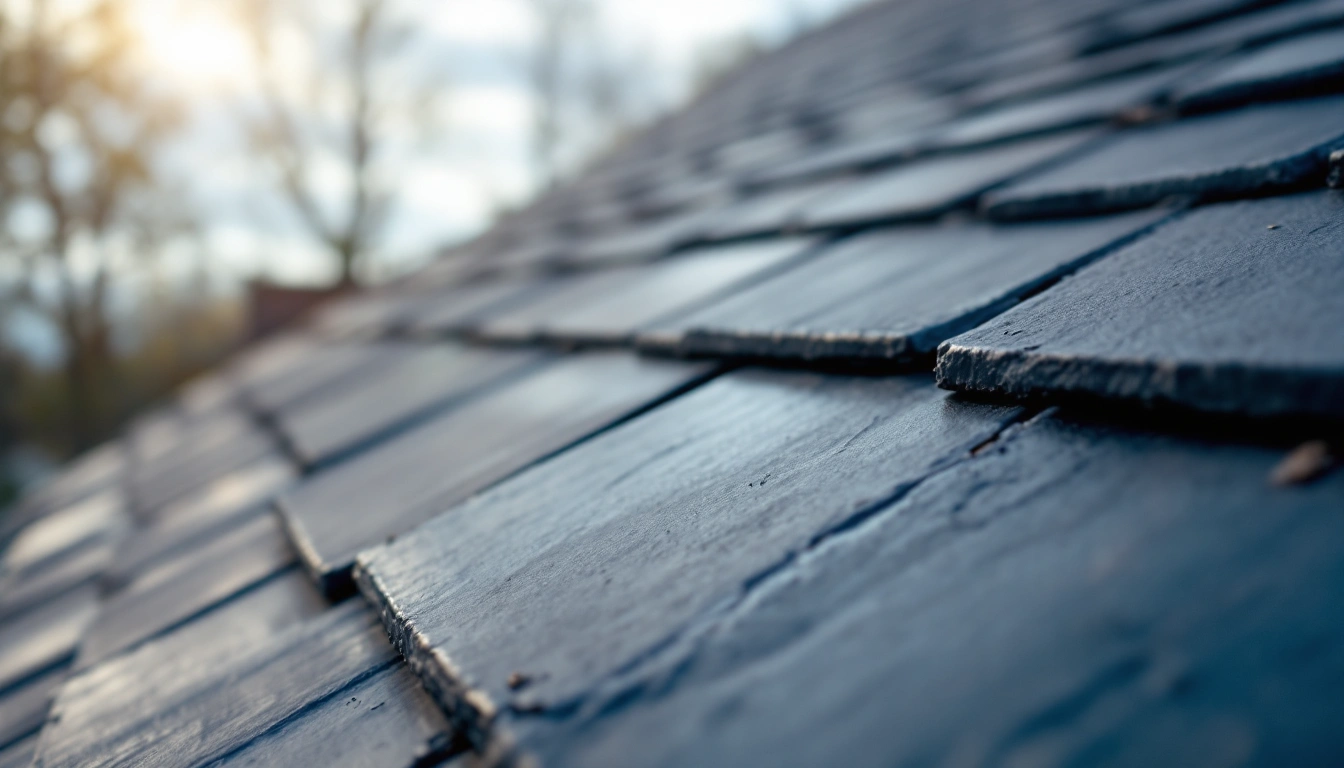
No roof image on this site records a completed slate project. It is context only. A photographic surface cannot prove the condition of attachments, underlying layers or the structure. The work record must come from the actual project.
Compare natural slate with synthetic alternatives
Natural and synthetic slate are different materials with different records. NPS explains why a manufactured lookalike should not inherit natural stone's historic service record. Keep the exact synthetic product and needs beside its quote.
Synthetic slate versus asphalt supplies the distinct cost context. Asphalt shingle cost is another family. Compare the same measured sections and removal or reuse scope before judging totals.
No lifetime replacement saving or resale credit is calculated here. The guide's installed bands cannot show future repair frequency or a date when each roof will be replaced. Keep known upfront scope distinct from any future model with its own record.
Compare two slate proposals
Match the stone spec sheet, affected areas and repair-versus-replacement decision first. Then compare underlying layers, flashing, deck and structural treatment. Mark each included, separately priced or unknown. Two quotes sharing the word slate can still describe other work.
If one keeps sound stone and another supplies all new material, name that gap directly. Do not allocate a guessed material share to force equal totals. The actual scope should show the count and price. A guide range is context, not a rule for choosing a quote.
Keep quote dates and final product changes together. A later amount may cover another spec sheet or more work. Use the final matching package in the estimator and keep the earlier record for the explanation of what changed.
Warranties and service claims
Read exact material and workmanship terms. Natural stone's published long-service examples do not guarantee the condition or remaining years of one roof. Attachments and details can need attention on a different schedule. Warranty and service history are distinct records.
The cost page does not forecast a replacement deadline. Use how long a roof lasts for the condition-versus-warranty split. An older repairable slate roof should not be condemned solely by an online average age or replacement quote.
Sources and correction record
HomeGuide supplies the older price context; NPS supplies natural-versus-synthetic and repair context. Sources were checked October 14, 2026. Unit conversions and area examples are calculated and checked. No contractor bid, product test or roof inspection is represented as this site's own record.
The method page keeps rates, dates and exclusions. Use Contact and Corrections for a source or math error. Keep the exact product and input basis with any correction request, without sending private roof records.
Frequently asked questions
What is the average cost of a slate roof?
The cited natural-slate guide band is $10 to $30 per square foot installed, with an April 5, 2023 date, checked October 14, 2026. It is broad context instead of a current complete bid. Exact stone, repair or replacement scope and unknown deck or structural work must stay visible beside the budget.
Is every leak a reason to replace all slate?
No whole-roof conclusion is shown by a leak alone. The actual cause and covering condition need a check. Flashing or attachment work can differ from full replacement. NPS gives repair context.
This cost worksheet supplies no diagnosis or reusable percent. Keep the checked task and areas with the quote before pricing it.
Is synthetic slate equivalent to natural slate?
They are distinct materials. Similar appearance does not show the same assembly, service history or price. Use the exact synthetic product's current records instead of inheriting natural-stone claims. Compare the complete roof scope and kept work.
Keep the dated synthetic source distinct from the broad natural-slate installation band.
Does natural slate cost include structural work?
No shared alteration allowance is shown here. The roof and selected system need their actual project basis. Framing tasks differ from sheathing repairs and covering installation. Keep checked work separately stated and priced.
The calculator gives no load approval and no fixed structural percent from a material name.
Can I calculate slate from asphalt bundle coverage?
No. The exact stone's laid exposure and layout control its count. A roofing square is a common area unit, not a common package format. Keep field stone and special junction pieces in their right units.
The roofing calculator supplies a net surface record without creating a complete slate order.
Verdict: price the assessed slate scope
Use slate roof cost with natural stone named, the older source date and actual repair or replacement scope. Return to types of roofing materials and the replacement estimator. Keep all unpriced conditions beside the known subtotal.