
Roofing materials and costs
Environmental Benefits of Metal Roofing
Last updated November 15, 2026 · Method · Corrections
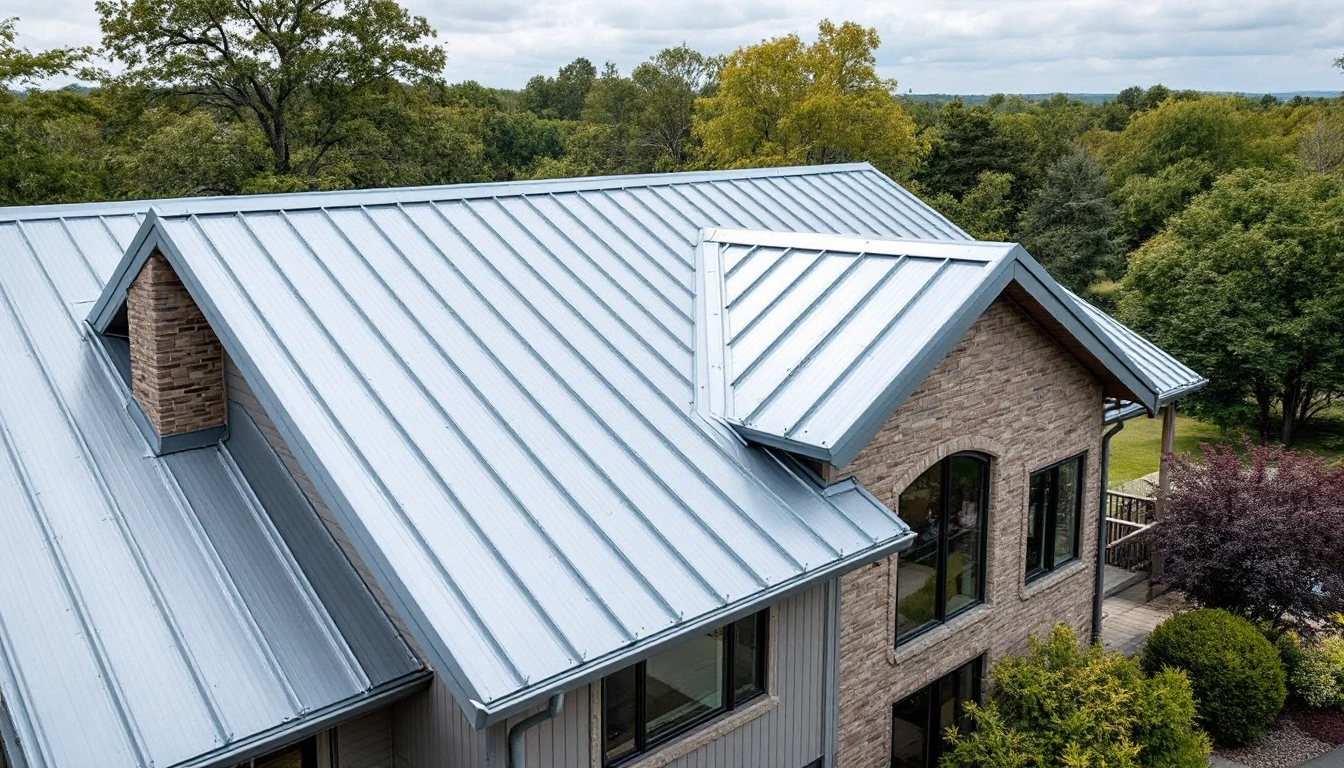
Aluminum can be recycled after use. A reflective roof finish can reduce cooling demand, most in hot climates, but benefits depend on the product and local options.
Sections5
The roofing materials guide compares roof systems. For metal, ask for the exact material and finish before comparing environmental claims. The recycled-content figure depends on the product, and metal is only one part of a roof assembly.
Recycled content and the next use
Recycled content describes material already used to make a new product. Recyclability describes what may happen after that product comes off the roof. They answer different questions. A panel may contain scrap and still need a separate plan for collection at the end of its service life.
The Aluminum Association's recycling guide describes aluminum as a material that can be recycled repeatedly. That does not mean every old panel reaches a recycler. Coatings, fasteners and attached layers can affect what a local facility will take. Ask about the whole load rather than assuming the panel's metal name settles its destination.
A roof quote should identify the product, not just say "recycled metal." Ask for the product's documented recycled-content figure and its basis. The supplier may distinguish scrap from manufacturing and material recovered after use. Neither category tells you by itself how much of your roof will be collected later.
To plan for the old metal's next use:
- Ask the roofer to identify the metal and any attached layers before removal.
- Contact a local scrap facility and describe the material, finish and fasteners. Ask whether the load needs sorting.
- Put collection, transport and the receiving site in the written scope.
- Keep the haul receipt with the project records. It shows where the load went, not the final use of every piece.
What happens to old shingles
An overlay can leave an existing covering in place for now. A tear-off creates a load that must go somewhere. The U.S. Environmental Protection Agency's 2018 materials fact sheet, published December 2020 estimated that 13.0 million tons (26 billion pounds) of asphalt shingles from U.S. construction and demolition debris went to landfills in 2018. It estimated another 2.1 million tons went to next uses. These are national estimates for that year, not a count of waste from one home or a current annual total.
Shingles are not automatically landfill waste. The Asphalt Roofing Manufacturers Association's recycling page, dated August 28, 2024, describes recycling old shingles into paving and other products where facilities exist. Ask the contractor which facility accepts the load and whether its rules permit the existing material. A stated recycling option is more useful when the quote names the destination and any sorting charge.
The roof replacement process explains how removal fits into the work. If two proposals handle the old roof differently, compare those waste paths separately from the new covering.
Reflecting sunlight and saving energy
A cool roof reflects more sunlight and releases absorbed heat more readily than a hot roof. The Department of Energy's cool roof guide, published in 2010, explains two measures: solar reflectance, the share of sunlight reflected, and thermal emittance, how readily a surface releases heat. Both matter to roof temperature.
A shiny bare metal surface is not automatically the coolest choice. The same guide says bare metal can have low thermal emittance. Painted metal may have different properties. Ask for tested values for the actual color and finish, including aged values when available. Do not use a value for a different coating just because it is also metal.
The guide says cool roofs tend to save the most cooling energy in hot climates. A cooler roof can also reduce useful heat gain in winter, raising heating needs. Shade, insulation, climate and the building's heating and cooling systems affect the result. A lower roof temperature is not a promise of a particular bill reduction.
Compare options on the same house:
- Identify the proposed roof material, color and finish for each quote.
- Request its tested solar reflectance and thermal emittance, including the age of each rating.
- Compare the local heating and cooling seasons and the insulation already in the roof or attic.
- Ask for an estimate that states those inputs. Treat a broad percentage from another building as a separate example, not your expected saving.
A DOE-funded attic retrofit guide, published in March 2018, describes solar mounts that clamp to standing seams on metal roofs.
The DOE guide also notes that dirt and weather can change a roof's reflective properties over time. Keep the product's care instructions with the rating, so the finish can be maintained without harming it.
Longer service and the full assembly
A roof that lasts longer can postpone another removal and replacement. Yet a panel's life is not the same thing as the life of every layer beneath it. Flashing, fasteners, underlayment and the deck all form part of the job. Water entry at a joint can need attention while the panels remain sound.
Service life varies with the system, installation and exposure. A warranty is a contract with terms and limits, not a forecast for one home. The roof lifespan guide explains how to use condition alongside age. Keep inspection and repair records so a small fault can be assessed before deciding on a full replacement.
Environmental comparisons also need to include making and transporting materials, the work on site and disposal. Recycled content or a reflective finish alone does not establish which whole roof has the lowest impact. Ask suppliers for a product-specific environmental declaration if you want to compare those stages. Check that the documents use matching boundaries and units before comparing figures.
Placing metal over an existing roof
An overlay may defer disposal of the old covering, but it does not make the old material disappear. The retained layer will still need a plan when it is eventually removed. An overlay also leaves much of the deck hidden, so a proposal should explain how the contractor will assess its condition and handle suspected damage.
Before choosing that route:
- Have the existing layers and roof structure assessed. Record leaks, soft spots and any known repairs.
- Ask the local building department whether the proposed layers are allowed for the address.
- Get the exact metal system's written requirements for the base, fastening, ventilation and flashing.
- Compare the overlay and tear-off scopes, including how each handles damaged decking and eventual waste.
The reroofing comparison sets out the difference in deck access. An overlay is a project choice, not proof that the existing roof is sound.
Quick answers
Does a reflective roof have to be white?
No. The Department of Energy's cool roof guide explains that special pigments can reflect sunlight in darker colors too. Compare the tested values for the exact finish.
Will a cool roof replace attic insulation?
No. A reflective surface and insulation limit heat flow in different ways. The Department of Energy notes that existing insulation affects the energy savings from a cool roof.
Can a metal roof support solar panels?
Yes, some metal roofs can support solar panels. Ask the solar installer and roofing maker to check the structure and attachments for the exact roof system, including the warranty and weather seal.
Does recycling mean an old roof will become another roof?
Not necessarily. Ask the receiving facility what it accepts and where it sends the metal.