
Roof lifespan and replacement decisions
Asphalt Shingle Roof Lifespan
Last updated October 14, 2026 · Method · Corrections
Enter measured dimensions to calculate roofing quantities.
A shingle's warranty term is not its expected service life. Compare the installed system and its condition before using age to plan replacement.
Sections7
Asphalt shingle roof lifespan is not fixed by the number on a brochure. A sound roof and a leaking roof can share the same age and shingle type. Ask what each part can still do. A roof check needs to show the facts behind its advice.
Three-tab shingles have a flatter strip form. Architectural shingles use bonded layers. Neither type promises a set number of years on your home. Read the warranty for the product and the date it was laid. Keep a repair record and check how far wear has spread. A local fault differs from damage across the roof. Age alone cannot choose the work.
Asphalt shingle roof lifespan and warranty labels
GAF's residential roofing FAQ gives 20 to 30 years as broad guidance for asphalt shingles. This is the maker's category estimate. It is not a measured chance of failure or a deadline for your home. The FAQ was published June 10, 2025 and checked October 14, 2026. It does not give separate service ranges for every three-tab and architectural product.
Service life is the time a roof stays fit for use. A warranty sets out the maker's promise and its limits. It may cover a fault in the product, but not every cause of a leak. The state of the roof now is a separate question.
For example, GAF's warranty terms link lifetime cover to who owns the home and the type of building. The remedy can differ as the roof ages. That label cannot tell you how many years a roof has left.
Read the terms from the year the roof was laid. Today's sales page may refer to a different product. Owens Corning explains how to get older terms. Keep them with the bill for the roof. A product name recalled years later may be wrong.
Check who backs each promise. The maker may cover the product. The roofer may cover the way it was laid. Each promise has limits.
Ask the bid to name who pays for what and how to make a claim. A long term does not answer those questions.
Three-tab and architectural differences
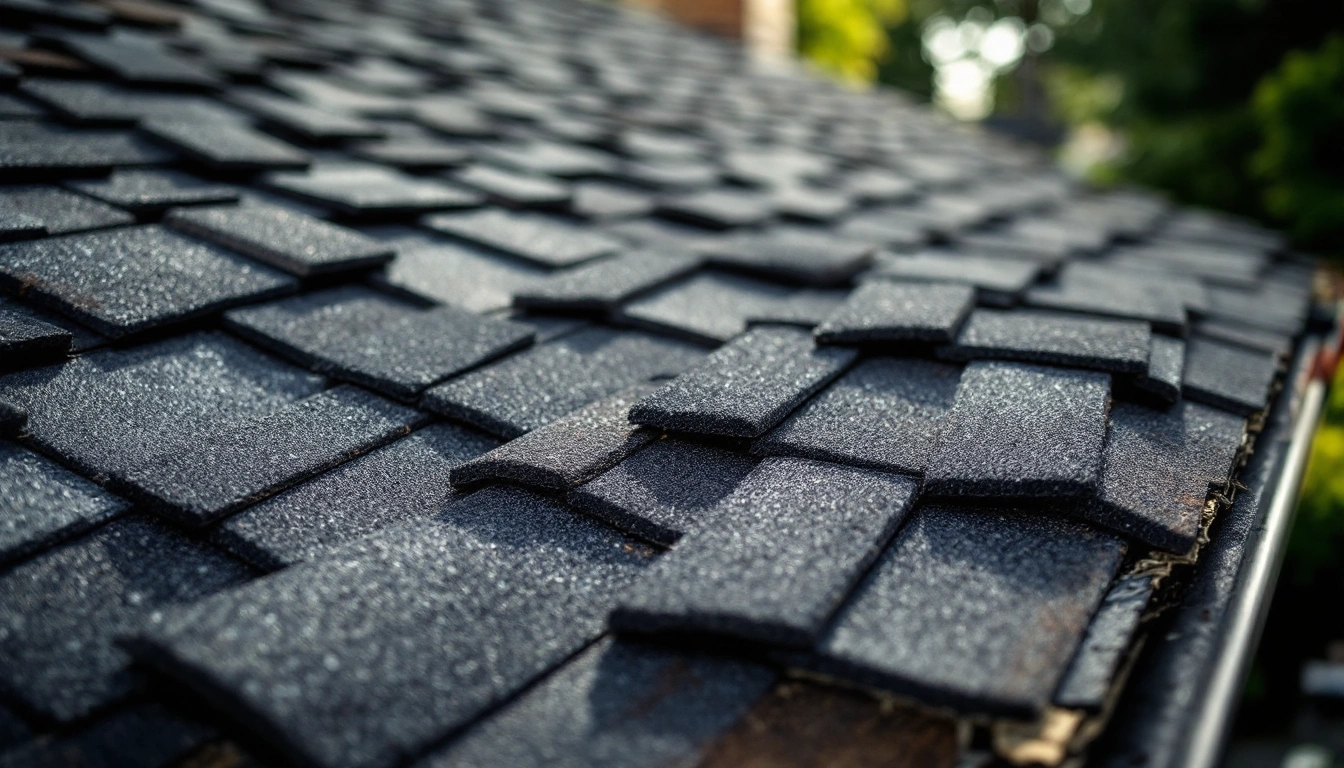
Three-tab shingles look like flat strips. Architectural shingles have bonded layers and a more varied look. Those are broad types. They do not tell you the exact product on a home. Nor do they tell you when it will fail.
Use an invoice, package record or installation document to identify the shingle. A street view may not reveal enough detail. Do not climb onto the roof or lift a shingle to settle the label. An assessment can record the product and condition together.
The GAF shingle comparison shows that coverage and product requirements vary. Read the exact terms instead of turning a family name into a service-life number. A different profile can also matter when assessing whether new shingles can go over old ones.
| Evidence | What it can tell you | What it cannot prove |
|---|---|---|
| Product name and grade | Which instructions and warranty to read | The quality of the completed installation |
| Warranty term | Coverage subject to its conditions | A guaranteed replacement date |
| Dated installation record | Known age of that work | Remaining service years |
| Repair and leak record | Location, recurrence and previous work | The cause of each new stain |
| Current roof assessment | Observed wear and a proposed scope | Conditions in areas that remain concealed |
Scroll for more →
This is why two same-age roofs can call for different next steps. One may have a single damaged pipe flashing. Another may have broad shingle distortion and a history of leaks. The age record belongs in both assessments, but it does not replace either assessment.
Exposure, ventilation and installation
Rain, sun and temperature swings act on a roof over time. Exposure can vary across the same home. A shaded plane and a sunny plane may look different. That does not let you assign an exact loss of years to either one.
Look for a cause when one area wears faster. A tree may drop debris or rub against covering. Water may collect at a detail. A poorly arranged runoff path may wet one place repeatedly. Record those conditions and ask how the repair or replacement scope will address them.
Ventilation is the air path through the attic or roof assembly. Intake and exhaust need to suit that assembly. Indoor moisture can also reach the attic. Replacing visible shingles alone does not establish that those moisture paths have been corrected.
ARMA's reroofing guide says to check the old roof and the attic air paths. The whole roof needs to work together. This does not mean each budget needs a guessed charge for new vents.
Installation needs to follow the exact product instructions. Fastener location, the base beneath the shingles and water details all matter. This guide does not give installation steps because the applicable assembly depends on the product and roof. Ask the scope writer to identify the documents they will follow.
Keep repairs in the record as well. Note the date, location and stated cause of each leak. Ask whether the work repaired that cause or only addressed the visible symptom. If the stain comes back, ask why. Do not just assume old shingles must be the cause.
Signs worth investigating
Missing or torn shingles deserve a closer assessment. So do broad curling, cracked areas and repeated water entry. The question is how much of the system is affected. One defect does not automatically describe the rest of the roof.
Granules are the mineral surface on asphalt shingles. Their presence in a gutter needs context. GAF's granule-loss bulletin explains that excess granules can shed from new shingles. A few loose granules do not prove that bare areas have spread across the roof.
Dark marks also need context. A stain does not by itself show the condition beneath it. Color alone cannot prove storm damage or a fault in the product. Have the assessment describe the actual defect and how it relates to the proposed work.
You can make useful observations from a safe ground position. Take a wide picture that locates the area, then use a camera zoom if available. Do not walk the roof, disturb suspect material or enter an unsafe attic. OSHA's residential roof-work guidance documents the fall hazard involved in installation.
If the roofline appears to sag, or indoor material appears at risk of falling, keep clear of the affected area. Those observations need a prompt safety assessment. They cannot be settled by the shingle's age or by running a budget calculator.
Budget for a replacement
Start a budget when replacement is a realistic scope, even if you have not chosen it. Keep the condition decision on a separate line from the dollar estimate. That prevents a calculator result from appearing to confirm that you need the work.
Use measured roof surface and a rate whose scope matches the proposal. Check whether removal and disposal are included. Keep deck work unknown until the amount and unit are established. Do not turn a material-only shingle price into a full installed price.
An overlay and a tear-off are different scopes. An overlay adds covering over an existing roof. Full replacement removes the old covering and gives access to the deck. Read reroofing vs roof replacement. Match the scope before you compare their prices.
Ask a replacement proposal to state the shingle, underlayment, flashings and ventilation work. Record what is excluded and how concealed deck repairs will be priced. Keep the product warranty separate from the workmanship promise. These details make a budget useful even when some amounts are still unknown.
For the wider material comparison, see how long does a roof last. The method and sources explains how this site handles unknown data and source dates. Contact and Corrections accepts factual corrections, without needing your home address.
Frequently asked questions
Do architectural shingles always outlast three-tab shingles?
The family name alone cannot establish that outcome on a home. Exact products, exposure and installation differ. Compare their published instructions and warranties, then assess the installed roof. Avoid assigning remaining years from appearance or a marketing label. A sound assembly matters alongside the type of covering chosen for it.
Do old shingles need replacement if they do not leak?
Age is useful planning context, but a lack of visible leaks is not a full condition report. Other defects may exist, and some wear may remain repairable. Ask an assessment to describe the extent of deterioration and the state of the roof details. Keep the budget separate from that decision.
Does a handful of granules prove the shingles failed?
No. New shingles can shed excess granules, and a gutter sample alone lacks the roof's context. The amount, distribution and condition of the covering need assessment. Do not assign a cause from the sample alone. Compare the observed pattern with the exact product's technical guidance before making a warranty or replacement claim.
Can ventilation add a fixed number of roof years?
This guide does not establish such a number. Ventilation needs to suit the assembly and work with moisture control. Correcting a fault may address a cause of trouble, but it does not reset the age of the covering. Ask what problem the proposed ventilation work solves and how that was established.
Verdict on asphalt shingle roof lifespan
Asphalt shingle roof lifespan belongs in a record of product, age and condition. It is not a countdown copied from a warranty label. Identify what is failing before choosing a scope, then compare the inclusions and exclusions in writing.