
Roof lifespan and replacement decisions
Signs You Need A New Roof
Last updated October 14, 2026 · Method · Corrections
Enter measured dimensions to calculate roofing quantities.
Missing covering, broad distortion and recurring water entry warrant assessment. They do not each prove that the whole roof needs replacing.
Sections7
Signs you need a new roof are prompts to check condition, not a diagnosis from the street. Missing shingles, broad curling and recurring leaks deserve attention. The next step is to establish the cause and extent, then compare repair with replacement where those options fit.
Record warning signs from safe ground and indoor positions. Note where the symptom is, when it appeared and whether it recurs. A stain or handful of granules alone cannot prove whole-roof failure. Keep clear of sagging or potentially falling material. Ask what is wrong and how far it spreads. Choose the scope on those facts before you price it.
Signs you need a new roof: ground-level checks
Look for missing covering and distorted areas from a safe position. Use a camera zoom if available. Take a wider picture so the location remains clear. Do not walk the roof, lift shingles or move a ladder to reach a suspect area.
The OSHA residential construction guidance describes the fall hazards of roofing work. This checklist is designed for observations that do not require roof access. A close-up image is not needed to make a useful first record.
| Symptom | Possible explanation to assess | Record | Next question |
|---|---|---|---|
| Missing or torn shingles | A local damage event or a wider covering problem | Location, date and wide photograph | Establish how much covering and which details are affected. |
| Broad curling or uneven areas | Wear, installation or base condition | Distribution across roof planes | Find the cause and whether a local repair can address it. |
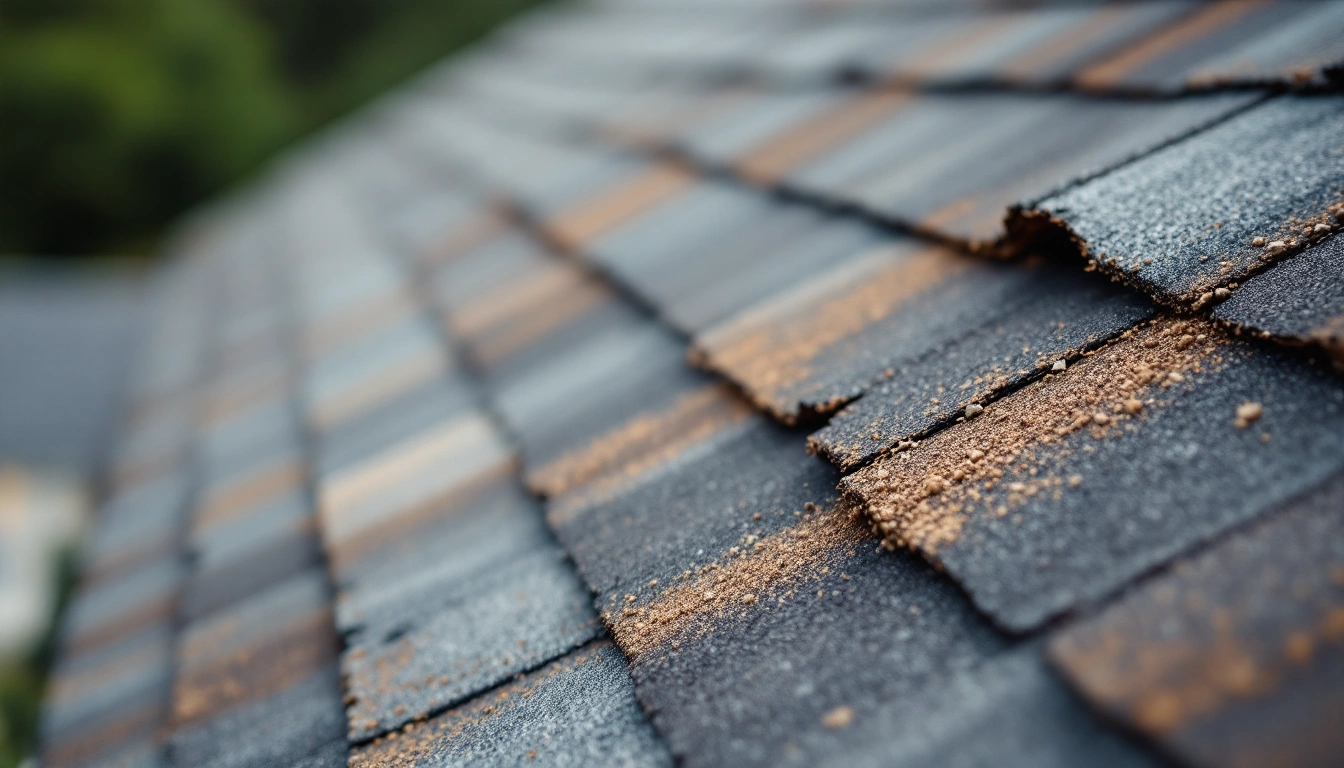
| Loose granules | Excess granules from new shingles or other loss | Roof age, amount and visible covering condition | Check product guidance against the observed pattern. |
| Repeated water stains | Roof entry, another water source or attic moisture | Timing, growth and previous repairs | Establish the water path. |
| Apparent sagging | Condition needing prompt safety assessment | Observe only from a safe place | Establish which areas should remain clear until assessed. |
Scroll for more →
Granules need context. GAF's technical bulletin on new-shingle granule loss explains that excess granules can shed from new shingles. That does not make all granule loss harmless. It means a gutter sample alone cannot establish the cause or the remaining years of the covering.
Interior symptoms and their limits
An indoor water stain gives a location to investigate. It does not necessarily sit beneath the point where water entered. Record the timing and whether the mark grows during rain. Avoid naming a failed roof part until the water path has been traced.
Moisture in an attic also needs a cause established. Indoor air, plumbing and roof entry are different possible sources. Adding shingles will not address every one. Ask the assessment to explain what evidence links the observed moisture to the proposed installation.
Stay out of spaces with unsafe access. Keep people away from sagging ceilings or material that may fall. This sheet cannot tell if a surface is safe. A dollar estimate cannot settle that question either.
Get prompt local help if there is a risk of harm. Do not use a budget tool to judge that risk.
Age is context, not proof
Find the installation invoice and product information if you can. Record an uncertain date as unknown rather than rounding a guess into an exact age. Keep prior repairs beside that record. One fault that keeps coming back differs from separate faults years apart.
Read asphalt shingle roof lifespan. It explains why age and a warranty are different facts. A lifetime product label is not a remaining-years forecast. The GAF warranty terms and Owens Corning warranty information apply to specific products and conditions.
What a roof assessment must establish
Ask for the cause, extent and proposed scope in writing. The record should name what was checked and what remained concealed. It should say if one detail has failed or wear has spread across the roof. A single close picture does not describe that distribution.
Ask what the work will retain, remove and renew. If deck repairs may be needed, the proposal should explain how they will be measured and priced. Put the maker's promise on one line and the roofer's on another. Ask what each covers. A long term or a clear photo does not answer that.
You can use this observation sheet without filling in every cause. Unknown is a useful result when the evidence is incomplete. It keeps a symptom from turning into a firm replacement decision too early. Return to how long does a roof last to compare the wider evidence.
Prepare a replacement budget
Start with measured roof surface once replacement is a realistic option. Living area can include more than one floor. It may leave out the eaves or a porch roof. Use an installed rate with the same material and scope. Keep unpriced deck work or permits visible as unknown.
The budget does not diagnose the roof. It helps you compare a stated replacement scope with written proposals. Check what the rate covers. Do not add labor or tear-off again if it is part of that rate. The method and sources explains the calculation and its limits.
Frequently asked questions
Are curling shingles proof that the whole roof has failed?
No. Distortion deserves assessment, but its distribution and cause matter. Record whether it appears in one area or across many planes. Ask what the assessment found beneath and around it, and what remained inaccessible. The visible symptom alone cannot establish a whole-roof scope or a remaining service term.
Does a stain after rain prove the roof is leaking?
The timing makes water entry a useful question to investigate. It does not establish the entry point or rule out other sources. Keep a dated record and note whether the mark grows. Avoid climbing to follow the path yourself. Ask the assessment to connect its proposed work to the documented cause.
Should I wait for a leak before planning replacement?
You can plan without waiting for water entry. An assessment may document widespread wear or another reason to compare options. Keep the budget separate from the condition decision, and do not treat age alone as a deadline. Planning gives you a scope worksheet; it does not commit you to the work.
What should I send with a factual correction?
Use Contact and Corrections to identify the page and the statement you think is wrong. Include a public source link and the relevant date or document edition. Do not send a street address, private insurance record or photographs of people. The site checks factual corrections rather than providing a remote roof diagnosis.
Verdict on signs you need a new roof
Signs you need a new roof should lead to a clear condition record, not an automatic purchase. Sources checked October 14, 2026. Keep uncertain causes open and compare the proposed scope with the evidence. Send a factual correction if a source or explanation needs attention.