
Roof replacement project
Roof Decking Replacement Cost
Last updated October 14, 2026 · Method · Corrections
Enter measured dimensions to calculate roofing quantities.
Decking is the base below the roof covering. Its full state may stay unknown until covering is removed. Keep sheathing replacement separate from rafter or truss repair. A rate needs the panel spec sheet, labor and removal scope beside it. Price a checked count or a clearly labelled assumption, then leave unseen damage unpriced. A ground photograph cannot show the number of sheets needed.
Sections21
- Roof decking replacement cost: source, date and scope
- Roof decking replacement cost: the correct quantity
- What roof decking is
- Why condition can stay unknown before removal
- Per-sheet and per-square-foot math
- Read the sheet specification before comparing prices
- Separate localized repairs from full redecking
- Sheathing and framing repair are different lines
- What a conditional sheet price should say
- New underlayment does not repair a damaged deck
- Moisture cause and roof-system scope
- Removal, disposal and double counting
- Access and work sequence
- Compare two decking proposals
- Record newly found work
- Sources and limits of the estimator
- Make the repair-area record useful
- Compare three different proposal formats
- Avoid two misleading deck totals
- Frequently asked questions
- Verdict: price assessed decking, not guessed damage
Roof decking replacement cost depends on the checked area, exact sheathing and included work. HomeGuide's November 7, 2025 roof replacement guide gives $2 to $5 per square foot installed for decking replacement. Use it as a broad US reference for known repair area, not a claim that every square foot of the roof needs new sheathing.
Roof decking replacement cost: source, date and scope
HomeGuide's roof replacement guide publishes the $2 to $5 installed decking range. The guide displays November 7, 2025 and was checked October 14, 2026. It is a national consumer cost reference with a contractor-referral interest. This site has no field-bid dataset of its own.
The figure prices the decking task. It does not price a full new roof. Keep the covering and other work separate. The guide does not show the exact sheathing spec sheet or all conditions for your project. A current written rate should name them before it is applied to an actual checked repair count.
Do not multiply this rate by the whole roof unless full redecking is the stated scope. A roof can need localized sheet repairs, a broader new deck or framing work beneath it. Those are different tasks. Unknown damage should not become an assumed full-area charge just because the outer covering is being replaced.
Roof decking replacement cost: the correct quantity
The billed count may use square feet or whole sheets. A quote can also use a stated lump scope. Keep that basis visible. A sheet price needs the sheet's sizes and material.
A per-square-foot rate needs the actual affected area. A lump repair quote should list the work it covers instead of being broken into invented shares.
Net roof surface is not by default repair area. The roofing calculator can find the surface from measured roof form. But it cannot inspect the deck. It gives an area unit, not the damaged fraction. A twenty-square roof can have a small repair area or need a broader recorded scope.
Keep the checked repair area separate from the material purchase count. Cut sheets can create offcuts. A whole-sheet order can exceed the repaired net area. A covering waste allowance should not be applied again to the deck repair line unless that line's exact source uses the same stated basis.
What roof decking is
Decking, also called sheathing, is the base attached above the roof framing and below the roofing layers. GAF's decking explanation places it within the roof system and describes why concealed condition can affect reroofing. It differs from underlayment or field shingles.
Plywood and oriented strand board, often shortened to OSB, are wood structural panel types. The appropriate panel depends on the actual roof design and needs. This page does not choose a thickness, span rating or fastening schedule from cost alone. A less expensive sheet is not necessarily a matching replacement.
The framing beneath includes members such as rafters or trusses. Damage there is not simply more square footage of sheathing. It needs a separate scope. Keep the distinction in the proposal so a panel allowance does not appear to cover work it was never meant to price.
Why condition can stay unknown before removal
The covering hides much of the deck from outside view. A stain or visible sag can prompt a check. But it cannot give a reliable sheet count separately. GAF explains that decking needs can be found during reroofing. The source estimate should state how that possibility is handled.
A prior repair record can help name known work. It does not prove the condition of every other part. The roof may contain old patches or other bases. Keep the known evidence and its date, then mark areas that have not been checked. Avoid turning a rough age estimate into a damage percent.
An overlay can keep the deck less visible than a tear-off. Read reroofing versus replacement for that scope distinction. The smaller removal cost does not resolve deck uncertainty. Cost and condition remain separate questions.
Per-sheet and per-square-foot math
For an assumed sheet four feet by eight feet, gross area is 32 square feet. Multiplying HomeGuide's cited $2 to $5 installed-area reference by 32 gives a derived $64 to $160 equivalent. This is a unit example, not a supplier's actual per-sheet installed quote or one standard sheet charge.
The equivalent can differ from a real repair line. A small localized job can include setup and handling that do not scale directly with sheet area. A quote can also bill whole sheets with a defined repair scope. Preserve that stated basis instead of assuming its unit price must match the simple area conversion.
For an assumed 100-square-foot checked repair area, the same cited range gives $200 to $500. For an assumed 500-square-foot area, it gives $1,000 to $2,500. These are derived examples. They do not show the amount of damage at a home or include structural repairs beneath the sheathing.
| Assumed repair basis | Arithmetic from $2 to $5 / ft² | Limit |
|---|---|---|
| 32 ft² gross sheet area | $64 to $160 equivalent | Not an actual per-sheet quote |
| 100 ft² assessed area | $200 to $500 | Deck line only |
| 500 ft² assessed area | $1,000 to $2,500 | Deck line only |
| Unknown damage area | Budget unknown | No percentage inferred |
Scroll for more →
Read the sheet specification before comparing prices
The quote should state the panel material, grade and thickness and include its specification sheet. The APA panel trademark explanation describes the grade and span information on wood structural panels. Use it to identify the proposed panel, not to select a structural design from this cost guide.
Match the panel specs before you compare two sheet prices. One can cover a different panel or omit installation. Another can include removal and preparation. The unit name sheet is not enough to settle those gaps. Keep the exact material and included task beside each amount.
A product's exposure classification does not mean that persistent leaks are harmless. Use the exact panel and roofing needs for the project. This guide makes no claim that a specific stamp alone solves moisture damage or approves the whole roof assembly.
Separate localized repairs from full redecking
Localized repair replaces named affected areas. Full redecking creates a stated new sheathing scope over a broader roof area. The reason for full redecking must be explained in the proposal. It should not be inferred solely from the planned shingle replacement or a generic online cost guide.
Ask which areas can stay and why the new covering's base needs are met. If the old deck uses boards or another base, the selected roof system can need a different treatment. GAF's substrate bulletin addresses its own asphalt-shingle bases. It is not a rule for every roofing material.
Keep any new layer over existing sheathing distinct from removal and replacement of old sheets. Those can involve other counts and tasks. The budget should describe what is kept, what is removed and what is new. A single generic deck charge hides that scope.
Sheathing and framing repair are different lines
Replacing a roof panel does not show a rate for damaged framing. A rafter, truss or connection can need a different design and work scope. Do not apply the decking-area reference to that task. Leave its amount unknown until a matching written scope is available.
The proposal should state what happens if damage extends beneath the deck. A panel-only change can be recorded separately from broader work. The same applies when the roof's structure needs alterations for a new covering. A tile or slate material choice does not make that work part of a generic sheathing line.
Keep the whole-roof estimate readable by retaining separate known subtotals. If deck area is known but framing work remains unpriced, show both states. Adding a guessed framing percent can make the total look complete while hiding the actual unknown condition.
What a conditional sheet price should say
A conditional rate should name the exact replacement panel and the billed unit. It should state whether removal, fitting and installation are included. It should also explain how the count is shown after exposure. Keep a record of the affected areas instead of only the final number of extra sheets.
Ask whether any sheets are already included in the source package. If the base quote includes a defined count, an extra-sheet charge should apply only beyond that stated allowance. Do not add the whole newly counted count again without reconciling the included portion.
The proposal should also explain its treatment of unused allowances. A lump contingency differs from a per-sheet charge. Keep the agreed rule with the estimate. This site does not invent a refund term or a price cap for an unknown amount of work.
New underlayment does not repair a damaged deck
Underlayment is a roofing layer above the deck. New underlayment cannot be assumed to make unsound sheathing a suitable base. The selected system specifies its stated base. The cost sheet should therefore keep deck condition as an explicit preparation check before new layers are priced as complete.
The same distinction applies to a cover board in some low-slope assemblies. It has a defined system function and is not by default the same as replacing structural sheathing. GAF's low-slope overview names those separate layers. Use the exact project spec sheet.
If a proposal says repair as needed, ask for the count and price rule. The phrase leaves too much open when used alone. A stated unit and evidence record can make a conditional cost assessable without claiming that all damage is visible before the roof is stripped.
Moisture cause and roof-system scope
A damaged deck can be linked to water entry or moisture beneath the covering. Replacing panels addresses the damaged base. But the cause also needs to be shown. A new sheet count alone does not prove that a leak path, flashing defect or attic moisture issue is resolved.
Keep that cause and any related work in the proposal. If flashing or ventilation work is included, name it. If it is outside the package, keep the unknown or separate priced line. The estimator does not assign ventilation upgrades or leak repairs from an input labelled deck damaged.
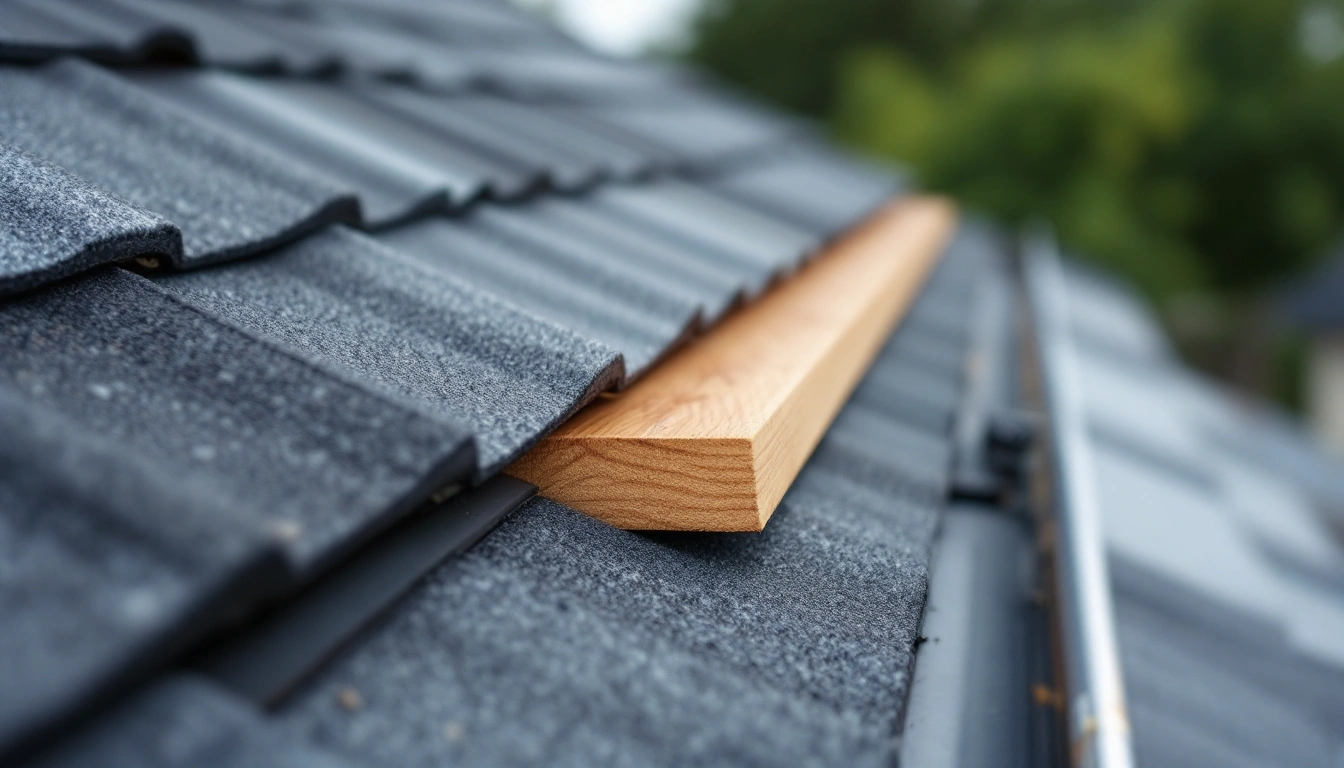
Avoid using the roof photograph as a condition report. It is contextual imagery. No image on this site names the state of your sheathing, its remaining service term or the cause of a stain. The written condition evidence must come from the actual roof check.
Removal, disposal and double counting
An installed deck repair line can include removing old sheets and fitting new ones. A separate covering tear-off line can remove shingles and underlayment. Their scopes need to be read together. They are not necessarily the same task. But their handling or disposal charges can overlap.
Ask whether waste handling is in each package. Do not add a second container or disposal fee merely because sheathing work was discovered. Add only work explicitly outside every base line. Roof tear off cost keeps those distinctions visible.
A whole replacement package can include a deck allowance. The replacement estimator accepts separately priced excluded extras, so the user must show that exclusion before adding the amount. It does not by default price deck work just because the condition field is marked checked.
Access and work sequence
Deck work follows the actual removal and preparation sequence. A cost guide does not show how much can be exposed at once or how the roof is protected during a delay. Keep the written weather-protection and access scope with the proposal. Do not infer a work schedule from square footage alone.
Small isolated repairs and full-area redecking can have different handling needs. The site applies no height, pitch or access multiplier to the guide range. A quote must price its actual conditions. A numerical area factor changes roof form, not labor difficulty.
This page does not give roof access, cutting or fastening instructions. OSHA's residential construction guidance describes roofing hazards. Manufacturer and wood-panel records govern the applicable assembly. A cost worksheet cannot replace those work needs.
Compare two decking proposals
Put each quote's panel spec sheet beside its count basis. Mark material, fitting labor and waste handling included, excluded or unknown. Note whether the work is local repair, full redecking or a new layer over kept material. Those rows should agree before totals are compared.
If one estimate assumes all sheets are sound and another includes a conditional allowance, the apparent price gap may reflect uncertainty. Keep the unknown condition visible. Do not choose a damage percent just to produce two neat totals. The actual checked repair count should settle the gap.
The quote date belongs in the comparison too. The cited national range has its own published date. A fresh source check does not convert it into a local bid or price cap. Use a matching dated project rate when available and record why it replaces the broad reference in the worksheet.
Record newly found work
Keep the source estimate and the written change together. The revised record should name the affected area, material and count. Add the applicable unit rate and included task. A final total with no count basis cannot be checked against the source conditional-price rule.
Use photographs or a plan supplied as part of the actual job record to locate the work. They should name where the checked repair occurs. This differs from estimating sheet count from a generic editorial image. Do not send private property photos or quote records to the site's correction form.
If a count is later revised, keep the earlier statement and reason. That makes the changed amount understandable without pretending that the source concealed condition was known. The same principle applies to this site's source records: dates and scope stay visible when a reference is changed.
Sources and limits of the estimator
The cost reference comes from HomeGuide's November 2025 replacement guide. GAF supplies roof-system and concealed-deck context. APA supplies panel-name context. Sources were checked October 14, 2026. The unit examples are derived and checked, not observed contractor charges.
No deck damage percent or material spec sheet is inferred by the calculator. Use the roof replacement process to place this task in the sequence. The method page explains how separately priced excluded work enters the subtotal.
Make the repair-area record useful
A useful deck record ties each proposed repair to a roof section. Label the garage, main roof and porch the same way in the plan and price sheet. That lets you tell which base was checked and which remains hidden. One total sheet count with no location can be hard to reconcile with a later change.
The record should distinguish an affected area from a purchased sheet. A cut patch may use part of a sheet. Another repair may require several whole sheets. Ask which unit is charged and what work that unit includes. Do not make the price sheet pretend that the net repaired area and gross purchased area are always equal.
If a contractor provides a diagram or photographs after exposure, keep the date and section names beside them. Those records explain the scope that was found. They do not show the state of every part that stayed covered. Mark those limits so the final repair count is not later read as a full condition survey.
Compare three different proposal formats
A fixed repair package prices a defined task. It can be compared with another package only when the affected areas, panels and labor match. A fixed amount for one stated patch should not be extended across the rest of the roof as a new unit rate. Its setup and detail scope may differ.
A unit-price proposal charges a stated amount for each verified unit of added work. Read what counts as one unit and how the count is recorded. Check whether the base roof package already includes some deck work. The extra charge should follow the agreed rule for work beyond that included scope.
An allowance reserves money for a task that may change. It is not proof of the final repair area. The agreement should explain how the actual work is reconciled and what happens to any unused amount. Keep the allowance and final count distinct in the closeout record. This worksheet supplies no default allowance percentage.
You can retain all three formats without forcing them into one common rate. The estimator can show a known lump extra when it is clearly excluded from the base package. A unit amount needs its matching count. A task with neither should stay unknown. This keeps the arithmetic tied to the proposal rather than to a guessed conversion.
Avoid two misleading deck totals
The first misleading total applies the installed decking range to the full covering area even though only local damage is known. That prices an assumed full replacement without saying so. If full redecking is being considered, label it as a separate scenario and keep the reason and actual proposed area visible.
The second adds deck work twice because one quote includes it in a roof package and another lists it as a separate line. Read both inclusions before comparing the totals. A line named sheathing does not by itself tell you whether removal, fitting or waste handling has already been paid for elsewhere.
For either case, return to the stated scope rather than choosing the lower number. Ask what the amount buys, where it applies and what remains conditional. A smaller known subtotal can still have more unpriced work. Keeping those gaps beside the price makes the comparison useful before the deck is fully exposed.
Frequently asked questions
How much does it cost to replace roof decking?
HomeGuide's cited broad installed reference is $2 to $5 per square foot, dated November 7, 2025 and checked October 14, 2026. Apply it only to a stated decking scope and checked or labelled assumed area. It is not a framing-repair rate or proof that the entire roof needs new sheathing.
What is roof decking?
It is the base above the roof framing and beneath the roofing layers, often called sheathing. Plywood and OSB are common wood structural panel types. The applicable material and specification depend on the actual roof assembly. This cost guide does not choose panel thickness, span rating or fastening from an online price range.
Can I know the sheet count before tear-off?
Some known repairs can be named in advance. But covering can conceal other conditions. Keep the known count and its evidence separate from unassessed areas. The proposal should state how newly exposed work will be counted and priced. A ground view, roof age or total surface figure does not show a complete damaged-sheet count.
Does a roofing sheet price include labor?
Only its scope tells you. A retail sheet price can be material only, while a conditional installed sheet rate can include removal and fitting. Keep the exact panel and billed unit beside the amount. A simple area-rate conversion is not an actual per-sheet quote and should not replace the written project basis.
Is decking repair included in a roof replacement?
The package may include a stated allowance, exclude the task or leave the amount conditional. Read its exact wording and reconcile any included sheets before adding extras. The estimator adds only separately priced excluded work. An unknown deck amount remains unknown instead of being silently assigned zero or full-roof area.
Is sheathing replacement the same as structural repair?
No. Rafters, trusses and their connections sit beneath the deck and need their own scope when affected. The decking-area reference does not show a price for that work. Keep the known sheathing subtotal and unpriced framing task separate, with the actual check and project spec sheet controlling any later revised amount.
Verdict: price assessed decking, not guessed damage
Use roof decking replacement cost with the actual area or sheet basis and exact panel scope. Keep conditional work separate from the base roof package. Return to the roof replacement process and the estimator with the recorded count, rate and exclusions.